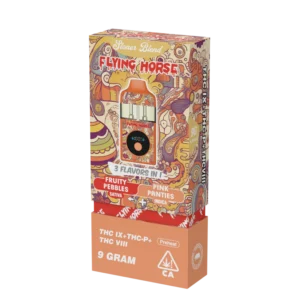
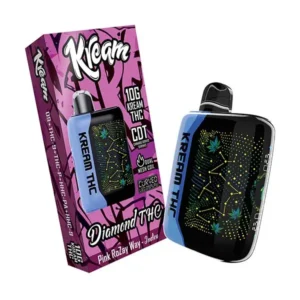
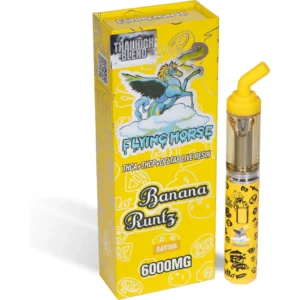
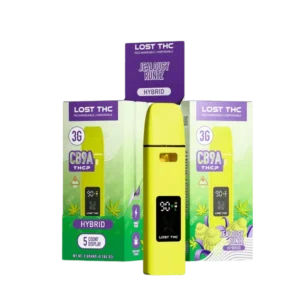
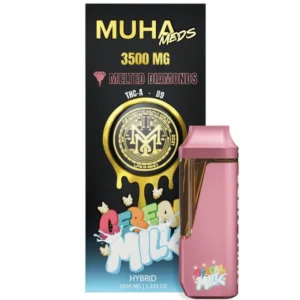
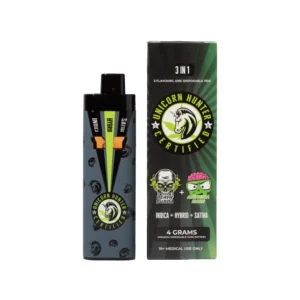
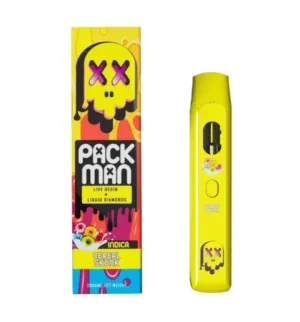
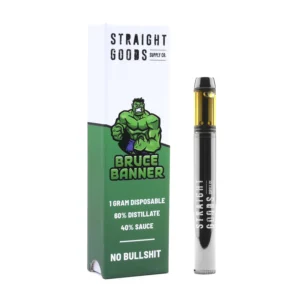
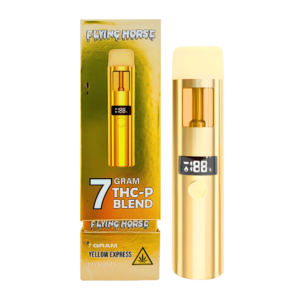
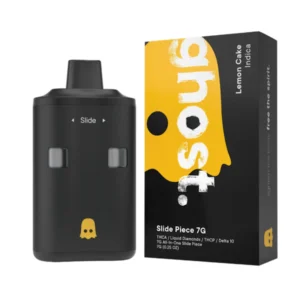
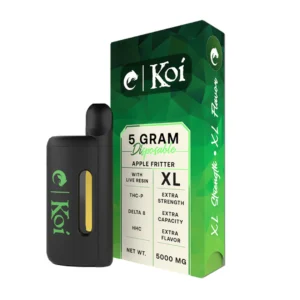
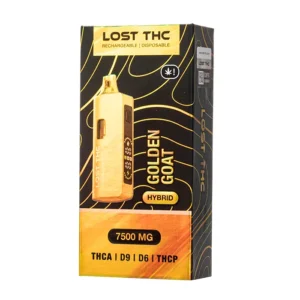
Explore everything about THC vapes online, including product types, potential effects, safety information, and legal considerations. Shop your favorite THC Vape Products worldwide with discreet and guaranteed delivery.
Full-Panel Testing: COA (Certificate of Analysis) for all our products
No Metals Screen: No Lead, Cadmium, Arsenic, Mercury in our products
No Pesticides & Solvents: All our products pass rating on residual solvents
Scannable QR Codes: This allows instant verification of batch-specific lab reports.
Return/Defect Policies: We offer a full refund for lost, defective or damaged products
Trusted suppliers: All our products are sourced directly from the manufacturers, thus eliminating the risks of black market, street or low quality vapes
Flexible payment options: To accommodate customers from all over the world.
Discreet and fast delivery: Experienced couriers who professionally coordinate delivery
Nationwide and worldwide delivery: Receive your THC vapes conveniently in any location
24/7 customer service: Our agents are online and available 24/7 for all inquiries
Professional packaging: All packages arrive in plain, stealth packages which are undetected by scanning machines
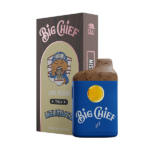
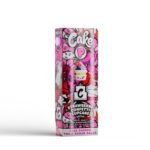
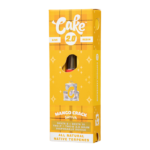
Wide variety: We have a wide collection of your favorite brands; big chief thc vape, cake thc vape
Select options
This product has multiple variants. The options may be chosen on the product page
What are THC Vapes and how do they work?
Understanding THC Vapes
THC vapes are innovated versions of vaping devices for consuming tetrahydrocannabinol (THC) in a vape form. These devices allow users to avoid the negative aspects of smoking like irritation of eyes and throat, and the odor left behind. THC vapes also promote discreetness as they are small and pocket-sized. A THC vape can have two main components: a disposable THC vape, and a THC vape pen. A THC vape pen consists of a rechargeable 510 battery and a vape cartridge. THC vapes are preferred over other weed consumption methods as they allow for a more precise dosage. Since these devices use extracts, the effects are quicker to feel compared to other weed consumption methods. Moreover, these devices have several features that allow consumers to customize their experience. With the settings, consumers can adjust temperature and airflow. THC vapes have a wide range of consumer base as beginner consumers can easily understand the personalized features.
How THC Vapes Work
There are three main components to every THC vape pen: a battery, an atomizer, and an oil chamber. The battery is what powers the vape and heats up the oil. To take a puff, the user needs to press a button to ignite the battery. A draw activated switch (dial-a-draw) works in the same way; the battery is powered when the user takes a puff. If all of the components of the THC vape work as intended, then the oil will be heated to a temperature less than the cannabis combustion point. This means the active components of the cannabis (cannabinoids and terpenes) are vaporized. The vapor is then inhaled. By not combusting the cannabis, negative byproducts of combustion are not created. THC vapes have the advantage of rapid onset time; this is because the vapor is directly inhaled and THC is a small enough molecule to diffuse across the alveoli of the lung and enter the bloodstream.
Our Happy Clients!
The website was easy to navigate, the product information was clear, and the ordering process was straightforward. Great shopping experience
Jason Wong
Truck Driver
I found the THC vape selection easy to browse and appreciated the clear product descriptions. Highly recommend
Mateo Ellis
Construction
My order arrived in 2 days which is pretty impressive. I am happy with the quality of vapes they have in their store. Amaying people
Ezra Alex
Video Director
Product Hardware & Formats : The Core Mechanics of THC Vapes
When evaluating how modern vapes work, it helps to understand the fundamentals of how THC vapes work. At the core of every vape is a balance of the power source, internal chipset, atomization core, and airflow pathways. The power source, usually a rechargeable lithium-ion battery, supplies a consistent electrical current to a heating element. The element can be designed using various architectures, including porous ceramic or expanded metal mesh. In THC vapes, electrical energy is converted to heat energy that instantly vaporizes the THC. Vaporizers can suffer from clogged airways. Dual-airflow pathways keep airways clear, and reduce the risk of clogging. By using advanced engineering of fluid dynamics and Postless tanks, airways can remain clear, even when using high viscosity distillates and solventless live rosins. The result is predictable and reliable aerosol output, from the first draw to the very last.
The choice of internal coil material affects the efficiency and purity of the whole vaporization process. The terpenes, the fragrant oils that give cannabis its unique smell, are very sensitive and can be easily damaged or destroyed. In certain types of vape cartridges, the oils are sprayed evenly onto a ceramic cores, which are then heated to produce the vapor. Other vape cartridges use a metal mesh, which is thin and perforated, and maximizes the contact surface area of the metal with the extract. This evens out the heat distribution and eliminates hot spots.
It is highly recommended to do further tests and/or analyze the data yourself. Data obtained from analytical laboratories confirm that vape cartridges use a core structure with precise thermal control that results in the suppression of unwanted byproducts and risks of metal leaching. The advanced features of modern vape hardware have bridged the gap between the performance of desktop systems and the portability of handheld vapes.
Disposable THC Vapes vs. 510-Thread Cartridges
There are two main ways of using cannabis products that are gaining popularity and dominating the market. One is using THC disposable vapes, and the other is using 510 thread cartridges. There are advantages and disadvantages to each. THC vapes are really convenient to use. Since they are all in one pieces, there is almost no learning curve to using them. Since they are all one piece there is really no maintenance to doing. Once the THC extract is used up, the whole piece is disposed of and a new one is purchased. A cartridge is a modular system. A rechargeable battery must be charged and maintained, and the connection points must be cleaned. With 510 thread cartridges, the systems offer a standard that gives universal battery connectivity. This means users have the ability to change the output voltage.
If a user wants to be sure to vaporize all the terpenes, they can set the voltage low. A higher voltage allows the user to make a thicker, denser vapor cloud. They offer a lot of control to the user. Disposables are really convenient and simple to use, but for those who are more passionate about their cannabis use and enjoy the vaping hobby 510 thread cartridges are probably the way to go. Disposable vapes have a lower up-front cost, but ultimately end up being more expensive. This is due to the fact that disposables use a lithium-ion battery that loses efficiency over time. Because of this, the entire housing and battery must be replaced each time the vape is purchased according to Dr. Ethan Vance, Cannabis Formulations Researcher and Hardware Analyst. Dr. Vance has spent over eight years evaluating extraction efficiencies, heavy metal leaching risks in vape coils, and consumer safety metrics within regulated markets..
It has been shown through market research that the overall cost of ownership for a 510 cartridge is lower than that of a disposable. This is because a battery is a permanently reusable component and a user would purchase 510 cartridges to be used with that battery. Additionally, the distillate used in disposable vapes is generally lower quality than that found in 510 cartridges. From an environmental impact perspective, disposable vapes are worse because the batteries used in the vapes are lithium-ion and lose efficiency over time, so the entire battery must be disposed of. Also, the distal microbatteries used in the vapes are discarded, thus leading to electronic waste. From a technical and safety perspective, it is better to use 510 batteries over disposables because 510 batteries have short-circuit protection and overcharge protection. Cannabis and THC vapor products are strictly intended for adults aged 21 and older (or state/regionally authorized medical patients). Vaping involves potential respiratory risks, and products should always be purchased from licensed, lab-tested dispensaries to ensure compliance with purity and heavy metal standards.
All-In-One (AIO) THC Vape Hardware Design
A complex interplay of materials science and chemistry allows for all-in-one (AIO) THC vapes to utilize advanced hardware while processing high-viscosity THC extracts. Solve historic challenges like clogging and burnt hits with unique ceramic-coil and flat mesh-coil architectures. Traditional wick and wire systems have inconsistent heating and create localized hot spots. Microporous ceramic cores create an even distribution of heat throughout an embedded heating element. This framework also provides a means for steady, even feeding of viscous THC extracts into the atomization chamber. Flat mesh-coil designs allow for a larger, lower surface area footprint to promote even heating and extract vaporization at lower temperatures. Compared to legacy wire architectures, flat mesh coils increase the efficiency of atomization by approximately 25%, minimizing residue and maximizing vaporization. Flat mesh-coil designs solve sticky clogs and residue build up that plague standard disposables. By util In addition, by effectively regulating heat, flat mesh AIO hardware maintains flavor integrity and clarity throughout the duration of use.
Carefully considering materials science, the hardware is constructed with high quality borosilicate glass, and a glue-free compression fitting to alleviate concerns about chemical leaching and off gassing in regulated markets.
Standard metal-wire coils can degrade or generate microscopic particulate matters when subjected to voltage spikes. However, embedded ceramic and flat mesh structures isolate electrical current from contact with oil. Smart-chip batteries add an additional layer of safety by providing an automatic shut-off feature, as well as short circuit and voltage regulation to avoid over-heating. These safeguards ensure that the electrical components of the vaporizer will not be adversely affected and alter the chemical profile of the extracts. Other engineering safeguards, like microprocessors, give the user the ability to control temperature. While these Engineering control make sure the user does not inhale thermal breakdown byproducts or degraded compounds, it is increasingly important that state and federal regulators ensure hardware companies test for heavy metals. Hardware companies are increasingly reliant upon ceramic and flat mesh pathways to meet these regulatory burdens. Incorporating a combination of these features makes disposable cannabis hardware more reliable and meeting the demands of the market.
Variable Voltage and Temperature Control Batteries
The ability to have precise control over the voltage and temperature of batteries used with vape cartridges allows for specific command of flavor profiles, vapor density, and active cannabinoids. The volatile compounds in vaporized plant material, botanical terpenes, play a pivotal role in the final flavors and aromas of various plant strains. Terpenes contribute to the synergistic effects of the cannabis plant and vary based on numerous factors including growing conditions and the metabolism of the plant. Terpenes have low boiling points and evaporate between 310ºF and 390ºF (154ºC to 199ºC). To safeguard terpenes from thermal degradation, battery voltage can be set between 2.4V and 2.8V. This would keep the heating coil temperature between 300ºF and 340ºF. Monoterpenes like myrcene, limonene and pinene are sensitive to heat and degrade when subjected to high temperatures. With a lower battery voltage, the less dense, cooling vapor has a purer plant taste and less harshness. With a higher battery voltage of 3.4V and above, the coil temperature is exceeding 400ºF and terpenes are immediately destroyed and flavor is reduced. However, the primary cannabinoids of cannabis, like delta-9-THC and CBD, also achieve peak activation at temperatures of 315ºF to 390ºF, and vaporization is enhanced at these temperatures.
We match specific voltages to the consistency of oil to prevent failure of hardware and safety of the user. Solventless live rosins and high terpene live resins are rich in organic contents which are prone to burning at lower voltages (2.2V-2.6V). Standard distillates, on the other hand, are thicker, and do not have native terpenes, which makes them more stable and able to vaporize at higher settings (3.0V-3.6V).
It is confirmed by the technical data from analytical labs that limiting operating temperatures to less than 400º F successfully eliminates the thermal breakdown of carrier oils and suppresses the formation of undesirable degradation byproducts. Innovations in battery technology and intelligent chipsets allow battery manufacturers to create battery platforms that regulate the power delivery and prevent short circuiting, or overheating of coils. Using variable voltage thoughtfully ensures the health of the respiratory system while allowing the therapeutic and sensory potential of concentrates.
Mini and Discreet Pocket THC Vape
Pocket THC vapes are changing how consumers use cannabis. People want their technology as small and convenient as possible. Older vapes were bulky and obviously noticeable. To adapt, companies started making devices smaller and concealed-box mods, which house the oil cartridges in the battery case. These devices, which resemble small boxes, make the overall device shorter, and get rid of the awkward, stick-like profile of older vapes. The design draws from what consumers are used to seeing, like electronic accessories and nicotine pods. Small, pocket vapes allow adults to get high discreetly while doing activities or out in public. People can enjoy a couple quick puffs without bothering others, or creating a cloud of vape or cannabis smell. On top of that, the devices are made to be as simple and user-friendly as possible by using an inhale to activate mechanism. Users just need to take a puff to get it going, and they don’t even have to worry about wasting vape or turning it off at the end.
Small sizes conceal a good deal of engineering in these devices. High density Li-ion batteries maximize capacity in small spaces. Reliable power and durability to last through average daily use is expected. Pocket vapes are put through several engineering and safety tests before market release and the data show that modern pocket vapes are equipped with regulated chipsets. The regulated chipsets not only prevent overheating and short circuiting, but help deliver stable power to the coil which in turn helps minimize the risk of burnt tastes and keeps the flavor of live resins and distillates.
Additionally, drop-in magnetic connectors provide secure connection of the oil tank to the shell and absorb impact forces if the device falls. While the small size and shape provide stealth and comfort, reliable thermal regulation helps meet the demand for quality in the portable vapes currently on the market.
Extraction Methods & Oil Quality of THC Vapes
How THC vape oils are made determines their purity and strength. Some of the main extraction methods include supercritical CO2 extraction, extraction using butane and propane, extraction using ethanol, as well as mechanical (solvents-less) methods like bubble hash and heat pressing. One of the major methods in industrial scale is supercritical CO2 extraction. This method isolates sensitive cannabinoids and terpenes at high purity and at scale, and leaves no residual solvents. Extraction using butane and propane yield very strong THC concentrates, called live resins. Unlike butane and propane, other solvents destroy the volatile and aromatic compounds found in fresh plant material. Solvents-less extraction relies on physical processes of heat and pressure, as well as cold temperatures. This method yields a pure concentrate that preserve the native profile of the plant. Other refining methods such as fractional distillation increase the THC concentration beyond ninety percent by stripping away unwanted plant waxes and fats. Unlike this method, full spectrum extraction leaves other cannabinoids and terpenes to maintain a lower overall THC concentration. These distinctions allow consumers to evaluate oil quality. The differences in the manner in which they are made have an impact on the integrity, physiological effect, and flavor of the final product. Raw extracts need to undergo numerous processes before they can be safely and legally used with electronic vape hardware.
Processors use winterization techniques to precipitate and filter out fats, chlorophyll and other plant lipids using sub-zero ethanol solutions. Following filtration, the solvents are removed using vacuum-oven purging. Incomplete purging leaves residual solvents which increases the health risk of vaping the concentrated oil. Also, during the decarboxylation process, the controlled application of heat is used to activate THCA to THC. This step is crucial because THC-A is a non-psychoactive cannabinoid, and Delta-9-THC is a psychoactive cannabinoid. If THC-A doesn’t get converted, it could lead to THC-A crystals forming in the oil, which would be a problem since the oil is meant to be a thin and smooth consistency for even wicking. All the tests to verify the safety of these products are done by independent third-party labs. The reports show extensive analyses of the contaminants in the product including solvents, pesticides, and microbes. Heavy metals like lead and arsenic are also tested for. Manufacturers are required by law to post results showing compliance in order to protect consumer health. Demanding this testing by the consumer ensures the manufacturer is fulfilling their obligation to adhere to safety and health standards.
Solventless Live Rosin Vapes Explained
Live rosin vapes are in the highest class of cannabis extracts. The demand from the consumer to experience the true expression of a cultivar, without diluting it with a chemical solvent and added artificial flavors, is what drives this industry. With standard distillates, a chemical solvent is used to strip the cannabinoids from the plant material, and artificial flavors are added back later to conceal the loss of true flavors. Unlike a standard distillate, live rosin begins with fresh-frozen whole flower that is harvested at perfect peak maturity. The processing of live rosin is much like making bubble hash. The whole flower is agitated in a submerged ice water bath, and the resin-rich trichomes snap off. Then a series of mesh screens filter the trichomes and capture them as bubble hash. A freeze-dryer is used to remove the last of the moisture without degrading the trichomes. Last, a heated heat-press extracts the resin, which gives the bubble hash a solventless extraction, and ensures no hydrocarbons like butane or propane are used. According to recent market trends, as consumers become more health conscious, the solventless industry will continue to increase, and products made without chemical solvents will dominate legal markets.
Most researchers agree that the key to preserving the entourage effect in a concentrate is the amount of terpenes that are maintained. This trend is further propelled by consumers’ desire for unique strain characteristics. Virtually all extraction methods at low to high temperatures destroy at least some of the terpenes. However, extraction using the live rosin method retains all of the plant compounds and terpenes due to the low operating temperatures. This method is solvent-less, and as such, results in a cleaner, purer product. Low temperature also eliminates the risk of breakdown of the plant lipids and makes for a smoother draw. A smooth, aromatic draw, in the case of vaping, is due to the operating temperature being kept below $400^\circ\text{F}$, as confirmed by laboratory testing.
Live Resin vs. Distillate Cartridges
Cannabis oil extraction has taken a variety of approaches, and two of the more popular methods are live resin and distillate extraction. The production of live resin starts with whole plants that have been immediately frozen, and bypass the drying and curing process. By doing so, the entourage effect is more pronounced and a broader range of the plant’s volatiles are captured. This gives the product a more rounded and true to life profile. Distillate extraction uses heat and harsh solvents to break down the trichomes, and then a fractional distillation process to isolate delta-9-THC. Distillate is further refined and purified to remove other plant waxes and volatiles, to create a THC concentrate that is typically 90-99% THC. Because distillate is practically flavorless and odorless, manufacturers alter it to have a specific flavor and aroma by reintroducing botanical or cannabis derived terpenes. For these reasons, distillate is a popular choice for users looking for a high THC concentration. Live resin is a better option for people who prefer a higher level of complexity and a more true to life profile.
There are multiple differences in practical applications of the two cartridge formats. Live resin is volatile. Manipulating the temperature of the extract becomes important. Vaping at a low temperature (voltager setting) will protect the flavor and inhibit the formation of undesirable byproducts. Distillate is cheap and stable. The thickness of the oil makes it forgiving to differences in the hardware used to vaporize it. Battery output and hardware variation is tolerated well by the oil and leads to a stable vapor. The consistency and thick nature of the distillate lead to scalability in manufacturing. The process is relatively standardized, and along with low cost, lead to lower prices. The demand for a live resin product creates a need for fresh frozen supply chains and extraction. These make it more expensive and put it in a higher product tier. Understanding differences in structure and chemistry help the consumer identify the cartridge which best suites their preferences.
THC Potency Benchmarks (70% to 90%+)
High-concentration THC vapes, which range from 70% to 90%+ THC, are some of the most potent products in the cannabis market. Traditional flower is limited to a maximum of 15% to 35% THC, so high-purity concentrates can greatly increase the psychoactive strength of cannabis. These high-potency THC oils condense a very large cannabinoid load into a single inhalation, meaning one large draw can easily result in an unpleasant or uncomfortable experience. High-potency vape products are especially dangerous for first time users and people who are generally sensitive to THC because they can easily cross the threshold for an enjoyable or safe experience. While using any new product for the first time can be uncomfortable, using a product responsibly ensures that the consumer maintains control of the experience. This means taking a very small draw and then waiting 15 to 30 minutes to assess the onset of the effects to see if more is needed. Determining personal tolerance gives the consumer control to prevent an unpleasant experience and to protect themselves from rapidly building a high tolerance to the product. Responsible labeling and standardization of milligrams help guide consumer responsibility and serve to increase the positive experiences associated with high-potency products.
When dealing with THC extracts that are 70% to 90%+ THC, we must thoroughly analyze third-party certificates of analysis (COAs) to determine the safety and purity of the products. Depending on the type of solvents used in the extraction process, an accredited laboratory would have to test the sample to determine if the solvents were purged to a level that is deemed safe by state regulations. An official COA will detail the percentages of the cannabinoids, confirm pesticide tests to “not detected” or “pass,” and test for the presence of heavy metals (i.e. lead, arsenic, etc.) that can leach into the oil and/or vape cartridges from various processing aids and/or soil. By scanning the QR code, consumers can read a COA and determine if a product is lab tested. This takes transparency a step further and reassures the consumer that the product has been tested for contaminants, and the product is safe for use.
Terpenes and Minor Cannabinoids (CBN, CBG, Delta-8/9)
Recent advancements in cannabis science have focused on understanding terpenes and cannabinoids other than THC, including CBG and CBN, as well as delta-8 or delta-9 THC. The primary psychoactive effect of THC has been well known; however, recently people have been able to identify unique qualitative differences in cannabis strains based on flavor compounds and other cannabinoids. The distinct aroma of the cannabis plant is largely due to the presence of terpenes. Volatile aromatic hydrocarbons alter the user experience by lessening anxiety or promoting a sense of relaxation and well-being. Even further, specialized roles of minor cannabinoids have been identified in formulation science. For example, the cannabinoid CBG is non-psychoactive and is sought after for daytime use and mental clarity, and CBN, a sedating cannabinoid, is desired for evening use and a good night’s rest. Further, using alternative isomers of THC such as delta-8 THC is of interest to users for less psychoactivity and less physical and mental tension. Modern extraction techniques focus on isolating these specific compounds, offering great fidelity, and allowing the production of vape cartridges that are formulated for a targeted physical and mental experience.
Precise ratios of cannabinoids and terpenes require specialized thermal management to prevent breakdown of those compounds during processing. Terpenes and other cannabinoids have low boiling points and break down rapidly with exposure to high temperatures. Heating these low molecular compounds to low temperatures can degrade the terpenes, contributing to harshness and unvapably residual solvents. Consumers of these products should review third-party lab tests to verify cannabinoid ratios and confirm absence of chemical solvents. The understanding of how these minor cannabinoids and terpenes function offers the consumer a safey and science based way to harmonize their personal wellness.
Safety, Health, & Usage Education on THC Vapes
Modern THC vape products require an understanding of safety, health and responsible usage guidelines. Public health agencies and respiratory specialists say that inhaling any aerosol, including from heated vape products, presents risks to the lungs. However, practices of structured harm reduction help mitigate these risks. To begin, all THC vape products should be purchased from state-licensed and legal dispensaries. Vapes and all-in-one devices purchased from illegal and unregulated markets could contain harmful synthetic cutting agents, heavy metals and other chemicals. An added contaminant, Vitamin E acetate, has also been found in illegal vape products. Vitamin E acetate can also cause lipid lung. In addition, regular and responsible use of vape products includes starting low and going slow. Because THC concentrates are greater than 80% THC, going slow and taking only a mild, first puff helps prevent over-intoxication and anxiety. Going low and going slow protect your health and wellbeing.
Proper upkeep of devices and the storage of concentrates can further support the stability and integrity of the plants and oils used in extractions. It is essential that the hardware be checked for cracks, leaks and swollen battery cells, and be immediately retired if any of these conditions are present. Devices should be charged using the original manufacturer’s USB cable, with fast chargers or wall chargers not to be used. Batteries should never be charged and left unattended. All cannabis products should be kept out of reach of children and animals at all times. Combining the use of lab data and diligent care of hardware with responsible storage and transportation of concentrates and cannabis products, a safe and mindful approach to consuming cannabis will always be the best approach.
Reading Certificates of Analysis (COAs)
Having the ability to analyze a Certificate of Analysis (COA) is essential when verifying the safety, purity and potency of THC vape products. An authentic COA is a third-party lab report and provides the chemical make-up of the product. Legal THC vape product packaging includes a QR code that provides a link to a lab report. To evaluate the report, begin by looking at the header. The name of the lab should be recognized and accredited. If the name of the lab is not recognized, it could be an in-house lab and the report could be fabricated. Next, perform the match test. The match test involves comparing the batch number on the product packaging to the identifier on the lab report. If the numbers do not match, the lab report does not pertain to your product. Lastly, determine the test date. The test date represents the date the lab report was generated and if the report is too old, it could pertain to a previous manufacturing batch. The administrative details on the lab report protect the consumer from misleading and/or fraudulent practices.
Now that you have confirmed the credibility of the document, you can look at the contaminant screening and potency panels. This will help you evaluate the strength of the product as well as its safety. The Safety Panel gives information about heavy metals (like lead, arsenic, and cadmium) and other pesticide residues, microbial contaminants and residual solvents.
The Safety metrics are reported numerically. Check that the values are well below the state action limits or reported as “ND” (None Detected). Pay close attention to the “Total THC” value, which provides the total amount of active delta-9-THC and THC present in the product. “Total THC” is important because THCA is a non-active THC precursor, and when heated, it becomes active delta-9-THC. Based on the metrics reported, active cannabinoids (THC, CBD, etc.) as well as inactive cannabinoids (CBDA, CBGa, etc.) are reported and noted. Pay particular attention to the solvent residuals, which should also be reported as “ND”. Look for a breakdown of the cannabinoids, noting the strength of the THC, CBD, etc. of the product. Once again, active cannabinoid precursors should also be reported. The metrics should equip the customer with total control of their consumption.
Safe Storage and Maintenance for THC Vape Pens
THC vape pens are relatively delicate. Proper maintenance and storage help preserve quality, prevent messy leaks, and extend a device’s life. For vapes, a combination of factors including heat, humidity, and UV rays break down cannabis oils and further damage the lithium-ion batteries. UV rays break down delicate cannabinoids and terpenes, alter strain-specific flavors and reduce potency. Store vapes in a cool, dry and dark place such as a drawer or lockbox in a bedroom to preserve your investment. Never leave your vape pen in a hot car. Extreme temperature changes can affect the viscosity of the extract and breakdown internal seals, causing a leak. Store your pen in an upright position so the oil distributes evenly around the wick inlets. Horizontal and inverted positions cause thick oils to clog the airflow channels. Store your vapes properly.
There are many reasons to perform routine maintenance on your e-cigarette. Lithium-ion batteries cannot handle extreme temperatures. Freezing temperatures are hard on the internal cells and increase safety hazards. When storing a 510-thread battery for an extended period of time, keeping the charge at around 50% is better than fully charging or fully discharging the battery to prevent permanent cell damage. Debris and oil collect on the connection points and magnetic adapters. Over time, these obstruct current flow and give off weak hits.
Isopropyl alcohol and a cotton swab can be used to clean the contact points to increase electronic flow. For extended breaks, detach the cartridge from the battery to prevent accidental activation and keep the battery’s chip safe. Overall, regular cleaning and storage of your e-cigarette according to these rules, can significantly help with failure and increase enjoyment.
Understanding Micro-Dosing with THC Vapes
THC vape pens allow users to precisely control how much THC they inhale, thus greatly reducing the risk of over-consumption. Users can take smaller and more controlled inhalations than normally done with cannabis. When using cannabis to achieve a desired effect, users take many deep and large inhalations to elevate their state of mind as quickly as possible. For new users, taking many deep and large inhalations can lead to unwanted effects like anxiety and dizziness. Micro-dosing uses the minimum effective dose to bring a mild or no effect state of mind. Unlike achieving heavy intoxication, state of mind with a mild or no effect baseline requires multiple small inhalations. Each small inhalation should last for about one to two seconds. Inhalations can be controlled by using vape hardware to inhale vapor which is absorbed directly by the lungs and quickly to the brain. With immediate effects, users don’t have to guess about when effects of edibles might be felt. With total control, users can decide when and how much to consume. To ensure small and controlled inhalations, users can use devices with low-voltage settings or draw-activated micro-features.
Successful implementation of the “start low and go slow” protocol relies on patient, structured timing and a disciplined adherence to the micro-dosing protocol. Micro-dosing new oils should be approached the same way one approaches new edibles: With caution and the understanding that dosages may not be exact. For the novice, one short puff is all that is needed to begin. It is best to wait at least 15 to 30 minutes to assess the effects before considering another short puff. It is better to space them out to gain full control of the effects and avoid an unpleasant experience. Most extracted oils contain THC levels above 80% and other complex cannabinoids. Because of this, it is imperative that users space out their doses, as one drop or a micro-puff may be all that is needed for an unpleasant experience.
Managing and tracking your consumption helps you better understand your personal tolerance and comfort levels. It is equally important to source trusted, lab-tested products to reinforce the accuracy of dosages and purity. Most importantly, compassionate and mindful consumption helps users remain comfortable and in control, especially novice users.
Common Troubleshooting Guide When Handling THC Vapes
A little routine maintenance on your THC vape pen prevents oil spills, dead batteries, and litterally saves you money. The majority of common issues are 3C’s. Clogged mouthpieces, charging issues, and limited airflow. A clogged mouthpiece is caused by cooling and solidification of THC oil or internal condensation. In either case, the oil is thick and acts like a cork. To unclog the airway use a hair dryer set on low for a few seconds. You can also use your palm to heat it up by rolling the vape pen back and forth. Another method is to take a slow “dry pull.” This creates suction and helps remove oil. If dry pulling doesn’t work, you’ll have to unclog the airway using a clean metal wire. To do this carefully, you’ll want to locate the air way, and take out the obstruction. If you keep your pen stored vertically, you won’t have this issue. It’s also important to take moderate and smooth pulls instead of deep and rapid pulls.
Failure to charge or low airflow are typically caused by minor connection blockages or clogged intake valves. Lint and dust can collect on the 510 connection point or USB port and act as an electrical barrier. To fix this, use a cotton swab dipped in isopropyl alcohol and gently rub the battery and/or cartridge contact points. For airflow restrictions, check the intake valves located on the battery or cartridge. To clear these, use a toothpick or pin and carefully poke the blockage. As an alternative to toothpicks, a can of compressed air can be used to blow through the charging port. Excessive electrical output from a high-volt wall adapter can blow a fuse on battery microchips. Always unplug your battery from the wall charger prior to plugging it into a wall adapter. In addition to keeping contact points clean, regularly utilizing the pre-heat function can also prolong the life of your hardware.
Regulatory Compliance & US State-by-State Laws
Because of disparate state and federal regulations, complying with THC vape regulations can be challenging. As more states implement robust adult-use legal frameworks, federal law remains silent and unresponsive, continuing to classify cannabis as a Schedule I controlled substance under the Controlled Substances Act. This creates a legal paradox. Due to federal prohibition, interstate commerce of cannabis is not allowed and every licensed operator is forced to operate within the confines of a single state. As such, state regulatory agencies, i.e., the California Department of Cannabis Control or Colorado’s Marijuana Enforcement Division, control 100% of the state’s cannabis industry from seed to sale. Compliance with state regulations requires the careful formulation of THC containing products, adherence to THC concentration limits, usage of child-resistant packaging, and strict inventory controls, as well as adherence to numerous other state and local regulations. In addition to these regulations, states prohibit marketing practices that may appeal to minors, by banning the usage of cartoons, character representations, or other youth oriented imagery and bandish or unsubstantiated medical claims. Retailers are required to check the ID of all customers to verify age and strict possession limits are enforced.
Compliance mandates affect everything from laboratory testing to consumer safety reporting and public health tracking. Hemp and cannabis producers, processors and manufacturers must use accredited, independent testing labs to test all of their products, including batches of vape oils to determine potency, screen for pesticides, and test for heavy metals and solvent residue. If a batch of product tests unsafe, state departments of agriculture order mandatory recalls. Each state has its own laws on hemp-derived cannabinoid vapes (i.e. Delta-8-THC and THCA vapes). Some states have outright bans on these products. Others regulate these products through the state health departments, and/or restrict sales to licensed adult-use dispensaries. It is critical for consumers and business owners to remain informed on the latest changes to state laws and regulations, as well as local zoning. Selling unlawful products may affect a business’ ability to operate in a given location. Only licensed sellers of hemp-derived products can sell tested and lab-verified products to the adult consumer.
Federal vs. State Cannabis Laws in the USA
There is a clear disconnect between federal and state laws when it comes to THC vapes, creating an uneven playing field in the marketplace. While there has been recent federal progress to soften cannabis laws and further define the legal frameworks for the industry, such as reclassifying some medical cannabis to a Schedule III substance, and making changes to the definitions of hemp under the Farm Bill, states are still free to set their own laws. For example, some states have adult-use recreational markets, while others do not; the same is true for medical cannabis markets. The current state of the legal market creates strict local control, requiring child resistant packaging, numerous safety tests for THC vape products, and other safety and oversight measures. This means businesses and customers must operate within the framework of each of the individual states, as they vary greatly from one another, even if the states are adjacent to one another.
In addition to regulated marijuana markets, unregulated markets for hemp-derived cannabinoids (e.g., delta-8-THC, HHC, THCA vape products) have raised a slew of new regulatory challenges. Products derived from the 2018 Farm Bill quickly saturated the retail marketplace and were sold in smoke shops and convenience stores in states where recreational marijuana markets did not exist. Despite rapid marketplace growth, the federal government and various states altered their laws and regulations, forcing the industry to adapt to new and changing business strategies. Recent shifts have closed regulatory loopholes by setting total THC content limits and strict product liability standards.
From a public health and safety standpoint, changing regulations require that consumers of concentrated products and vape cartridges purchased from retail outlets. Public health and safety are best protected when products purchased from licensed and regulated retailers are tested for compliance with state and local regulations. Public health and safety are protected when industrial hemp- and marijuana-derived products meet safety and regulatory standards.
State-Specific Purchasing and Possession Limits
Residents and visitors must be knowledgeable of state laws regarding purchase and possession limits to avoid legal issues.There is great variation of laws governing cannabis consumption across major legalized markets in the U.S. Limits in one state may result in legal issues in other states. For example, those aged 21 and older in California can legally possess 1 ounce (or 28.5 grams) of cannabis flower and 8 grams of concentrated cannabis (including THC vape extracts). New York also allows 21 and older residents to possess 3 ounces of cannabis flower and 24 grams of concentrate. Home storage in New York allows 5 pounds of cannabis including home-grown. Michigan allows 2.5 ounces of cannabis flower and 15 grams of concentrate for public possession and 10 ounces securely stored on private property. Florida is a strictly medical state. It has a cap on THC vape cartridges at 24,500 mg and a 70-day rolling supply.
Compliance also extends to residency, interstate travel, and purchase restrictions. It is illegal to transport cannabis across state lines under federal law. This means it doesn’t matter if you are traveling between fully legalized states like California and Nevada, you are still breaking the law. Adult use states allow people 21 years and over to purchase cannabis in legal limits if they have a valid government issued ID. Medical states like Florida do not honor out-of-state medical marijuana cards. There are electronic systems in place in states like New York, Michigan and California that limit how much cannabis a consumer can purchase within a 24 hour period. It is always illegal to consume cannabis in a public place. To have a safe and legal experience, it is important to know the laws of the area you are in.
Air Travel and TSA Regulations for THC Vapes
Traveling with electronic smoking devices involves understanding the intersection of multiple federal rules. The TSA and FAA have strict rules that state all electronic vaping devices, battery mods and disposable vapes must be carried in a passenger’s handbag/personal item. Passengers are not allowed to checked baggage with lithium powered vaporizers because the pressure and temperature changes in the cargo hold create extreme risks for fire. Also, if a passenger has vape cartridges or e-liquids they must abide by the liquid volume limit and be able to fit in a quart-sized bag along with the other liquid, gel, or aerosol items. When determining whether something is allowed, it is important to differentiate between safety/security rules vs. legal rules. Even if flying between fully legalized states, it is generally accepted that travelers are subject to federal law while in the air or in an airport. This means there are gray areas for consumers of cannabis.
While the primary responsibility of TSOs is to identify threats to aircraft safety (i.e. explosives, weapons, and incendiary devices), they are required to report suspected illicit substances to the proper authorities. State medical marijuana cards are not recognized by the TSA at security checkpoints, and any marijuana product containing more than 0.3% Delta-9 THC is considered an illegal substance by the federal government and would need to be reported by TSOs.
There are some mechanisms in vape pens that release their contents if pressure is applied to them. One example is the vape pen being pressed between the door of the aircraft and the frame. Because of the constraints of aviation, smart travelers detach vape cartridges from their batteries and store them securely before they go through security. Having an understanding of aviation constraints makes the security process less of a hassle.
Age Verification and Compliance Standards (21+)
THC vape brands and online platforms must employ sophisticated digital age verification and compliance methods to operate legally. Verifying age through traditional methods, like checkboxes confirming the customer is over the age of 21, is no longer sufficient to comply with state regulations or digital marketplace policies. More sophisticated compliance methods require advanced age-gating technology to construct barriers to prevent minors from accessing age-restricted product offerings and check-out gateways. Some businesses have turned to advanced age assurance technology to confirm a person is legally of age to purchase products. Such technology can include a secure, third-party provider, where a customer uploads an identity document for age verification and facial recognition (biometric) technology. Other age assurance technology can include a secure, third-party provider where a customer transfers a digital copy of their identity document to a secure, cryptographically signed wallet to store and verify age. Digital wallets can also store sensitive data and protect personal identity information. State regulators, as well as the platforms where the companies operate, have strict policies to not store sensitive identity documents or use personal, sensitive information for marketing or analytics. Age assurance technology can be integrated in a way to assure privacy of personal and sensitive information.
Digital safeguards include mandating audience composition thresholds and banning minors in the audience for marketing materials. Legal advertising guidelines in the large U.S. states do not permit cartoons or other graphics associated with children or youth in advertisements. Additionally, digital campaigns have to confirm that 71.6% to 85% of the audience is composed of adults 21 years or older, through the use of audience filtering tools on search engines and social media. All advertising materials, including email newsletters, SMS promotions, and website banners have to display health warning messages, and advertising materials have to be age-restricted. Complying with these policies enables brands to direct their communications to adult consumers who appreciate health, safety and the rule of law, and transparency in science.
Consumer Trends & Market Insights on THC Vapes
Recent data and trends in the cannabis market have shown significant differences in how THC vape products are used by adult consumers. These differences show similar trends in health consciousness, product premiumization, and advancement in technology. The difference in consumer preferences has also led to the expansion of the global and North American cannabis vaporizer markets to values in the billions of dollars. Vaporization offers the benefits of less exposure to pyrolytic byproducts of combustion, control over the volume and dosage of inhalation. Recent market trends show adult consumers prefer the use of portable and discreet all-in-one devices and pre-filled cartridges. Along with these trends, there has been a large cultural shift from using alcohol to using cannabis vaporizers for relaxation, to relieve stress and for social recreation. Because of the increasing need for high performance products, users have migrated to higher end products and away from the lower end products.
Consumers are increasingly looking for high-quality products made without solvents. As a result, market competition is steering toward full-spectrum extracts like live resin and solventless live rosin. Buyers are armed with more information than ever and are able to use online resources to compare prices, review menus, and even access independent laboratory tests (a.k.a. lab analyses) to ensure the safety of products they purchase. This creates a competitive market, where producers strive for laboratory tests that comply with strict standards to validate the safety and integrity of the products they sell.
Brands that are successful in the market utilize independent lab tests to validate that their products are safe, and prioritize product purity. Additionally, they implement age-restrict marketing to further ensure the safety of their products.
The Rise of Solventless Extracts in the US Market
The United States cannabis market is undergoing a consumer shift from chemical-solvent extractions towards more natural, solventless methods. Consumers have grown to value more natural methods of extraction and processing, leaving solventless extraction as the best method to meet consumer demand. Ice-water bubble hash extraction uses physical methods of agitation and precision heat-pressing to separate trichomes from plant material. Unlike solvent extractions, solventless extraction does not introduce industrial hydrocarbons like butane or propane, or chemical ethanol. Relying solely on the use of physical methods of agitation and heat/pressure to separate trichomes, allows for extraction to occur without leaving behind unwanted chemicals or residues. Live cannabis plants contain a robust biochemical profile, which solventless extraction allows for capture. As the overall wellness consumer trend shifts towards solventless methods of extraction, the cannabis consumer shift to solventless extraction is following suit, and therefore treats solventless extraction as the gold standard of craft manufacturing. Along with this shifting consumer trend, brands are beginning to shift their focus to more natural, ecologically sustainable, and transparent methods of product production to reflect the overall trend of additive/synthetic aversion in our society.
In legal adult-use markets, retail shelves are rapidly changing to keep up with consumer demand for solventless vape options. This represents an opportunity and a threat for craft extractors. According to the data, high-end live rosins retain consumer loyalty despite their high price point compared to mass produced distillate vape cartridges. Adult consumers are willing to pay a premium for solventless oils because of the richer and more authentic entourage effect. Unlike other vape cartridges, solventless oils retain the fragile and unrefined terpenes as well as the complete profile of minor cannabinoids. From a manufacturing standpoint, producing solventless vape cartridges at scale is challenging. Live rosins, in particular, require advanced micron separation and low-temperature curing to prevent phase separation in the cartridge. Thanks to advancements in vape cartridge technology, a high percentage of THC solventless oils can be vaporized using all-in-one hardware with ceramic core heating technology. This ensures that delicate and sensitive organic compounds are not burned off. With better purity, flavor and transparency, solventless oil options will always have a place in the cannabis market.
How to Choose the Right Strain (Indica, Sativa, Hybrid THC Vapes)
While picking the right cannabis strain for your THC vape, it’s important to look past traditional marketing labels to understand how specific terpene profiles and cannabinoid ratios yield specific physiological outcomes. The cannabis market has historically thrived on simple three-tier shorthand: indicas for physical sedation, sativas for daytime energy, and hybrids for a middling experience. Modern cannabis science and extraction techniques have revealed more complexity to the market. Though the use of indica, sativa, and hybrid terms remain relevant and important starting points, the user experience ultimately hinges on the delta-9-THC and terpene profile. Traditionally mapped indica strains often incorporate myrcene and linalool, compounds which promote physical body relaxation and nighttime rest. Sativas tend to incorporate limonene and pinene, which tend to promote daytime clarity, focus, and elevated moods. Hybrid vape cartridges consist of a blend of genetics which yields a versatile experience that can range from 50/50 balanced profiles to sativa- or indica-dominant profiles.
By pairing the chemical profiles of these products to your wellness goals, you can feel confident about the vape product you’re using and the effects it’s supposed to have. Live resin or distillate cartridges with myrcene and minor cannabinoids like CBN can be beneficial for stress relief and helping you fall asleep. If you want to be productive or social, look for profiles high in pinene and limonene. These profiles should be in terpenes and not strains. The effects of the products should be backed by data and not just strain names.
Cost Analysis: Buying Carts vs. Disposables Long-Term
Long-term economic value of THC vapes hinges on a critical examination of financial distinctions between pre-filled 510-thread cartridges and all-in-one disposable devices. A disposable vape, which bundles the battery and oil in one unit, typically results in a lower up-front cost. However, the all-in-one disposable device becomes a more expensive option for the regular user. A disposable device, once emptied or once the internal battery dies, is disposed of. This results in the purchase of a new device, complete with new electronics, batteries and hardware. With the 510-thread vape cartridge system, the user purchases a reusable and rechargeable battery once, and then purchases replacement cartridges. Manufacturing costs for a company producing replacement cartridges is lower than all-in-one disposable devices. This results in a cheaper price per milliliter for the replacement cartridge. After a period of continuous use, the 510-thread system becomes the more cost effective system.
In addition to retail pricing, other operational costs and product waste contribute to the economic value of your vaping routine. Disposable vape pens increase the financial risk due to the higher likelihood of loss from hardware failures. If the battery or the ceramic coil in the disposable pen burns out before the oil is completely vaped, the oil is wasted because it’s trapped inside the sealed unit.
Modular 510-thread setups eliminate this financial risk. If a connection or clog is localized to a cartridge, it can be tested on or swapped with different batteries. In addition, rechargeable batteries often have variable voltage settings and pre-heat functions. These settings help control the rate and efficiency of vaporization, preventing waste by burning expensive oil too quickly. Overall, the long term financial benefit of using a quality battery and lab tested cartridges is evident. These products are more reliable and provide more dosage control.
Eco-Friendly and Recyclable THC Vape Solutions
About 50 million plastic cartridges and lithium-ion batteries end up in landfills every year with the growth of the cannabis vape market. Consumers and companies are more conscious of the effect of electronic waste. Manufacturers use bioplastics and other plant based materials and polymers to create vape cartridges that are biodegradable and decompose quicker. Modular construction allows the metal components to be separated from the plastic. This allows the metal to be recycled and the plastic to be disposed of without leaving behind a toxic residue. Other companies use windowless ceramic or quartz vape cartridges. This reduces the electronic waste and harmful metal components. Other companies use glass mouthpieces instead of plastic. These companies gain a competitive advantage and fulfill the needs of a value conscious consumer.
Closed-loop battery recycling programs and material redesigns have changed how the cannabis community manages e-waste. Leading cannabis brands have teamed up with licensed dispensaries to develop drop-off programs where consumers can return depleted disposable vapes and dead 510 batteries. Special recycling facilities then collect the units to safely extract and recover lithium, copper and precious metals and neutralize any residual oil. Traditionally, heavy metals in batteries can leach into the soil and waterways and be harmful to the environment. Closing the loop on battery recycling programs can help recover precious metals to be used in future manufacturing and keep dangerous heavy metals from polluting soil and waterways.
Responsible use and disposal of THC products is important, especially for young consumers. User-safety programs give consumers peace of mind when using THC products responsibly. These community-based recycling programs are an important first step to bringing more eco-friendly hardware and e-waste recycling programs to the cannabis industry.
Frequently asked questions on the Basics, Safety, and Legality of THC Vapes
Lorem ipsum dolor sit amet, consectetur adipiscing elit. Ut elit tellus, luctus nec ullamcorper mattis, pulvinar dapibus leo.
Is vaping THC safer than smoking flower?
Vaping THC provides the benefits of cannabis consumption without the harmful by-products of cannabis combustion (i.e. CO, tar, ash, nox, etc.). Compared to smoking flower, vaping reduces the amount of smoke toxins a user is exposed to, but it does not eliminate all risks. Vaping shifts the risks to a different set of problems. One major problem is potency. THC vape cartridges often have higher percentages of THC compared to flower, which can lead to more intense psychological side effects. Vaping can also rapidly increase tolerance and up the risks of cannabis use disorder and dependency.
Vaping also creates new respiratory issues that aren’t present when smoking traditional flower. THC vape oils that are sold on the black market contain hidden contaminants and additives that can cause lung irritation and inflammation and to a greater degree, ultimately lead to permanent lung injury. Heating cannabis extracts for vape cartridges produces thermal degradants which can also inflame and irritate lung tissue. Similar to flower, vaping also damages the lungs, but in a different way. Irritating lung tissue can increase the risk of developing pulmonary issues, and overtime, lead to permanent injury.
Will a THC vape show up on a standard drug test?
A standard drug test will pick up THC from a vape. Traditional drug tests look for metabolites of various substances, and how the substances are ingested is immaterial to the test. The liver processes THC in all forms the same way, whether ingested via flower, edible, or inhaled through a vape. After being processed by the liver, THC is converted to metabolites, primarily THC-COOH. Urine, blood, and saliva tests are looking for these metabolites. So, while using a vape may feel different than smoking or ingesting, it doesn’t hide the substance from a drug test.
Additionally, the THC in current vape cartridges is in much more concentrated forms than traditional plant material. This higher potency may increase the window in which THC is detectable. With traditional plant material, it is possible for frequent users to not test positive for THC within a day or two. Because of the high potency of many current vape cartridges, frequent users may test positive for up to a month. Hemp-derived vapes may not contain THC, but they may contain THCA. THCA metabolizes into THC, and so, like Delta-8 THC, hemp vapes may cause a positive test. Any product that contains THC will cause a positive test result.
Can you bring a THC vape on a domestic airplane flight within the US?
While federal law technically prohibits taking a THC vape on a domestic flight within the U.S., some people still believe they can get away with doing so if they are traveling to a state in which THC is fully legal. The Transportation Security Administration (TSA) works for the federal government, where THC is still illegal. THC vapes are probably not going to get screened during a normal luggage check. The primary focus of TSA employees is on the safety of the flight and prohibited weapons. There are rules and guidelines that require TSA employees to report any illegal activity to law enforcement. However, they may not be strictly enforcing the rules.
An exception to this is that THC vapes are allowed if they are empty. However, that is not likely to be thoroughly enforced either. The Federal Aviation Administration (FAA) mandates that all lithium-ion batteries and vaping devices be kept in the passenger cabin. Vaping devices contain lithium-ion batteries. Therefore, if you are flying, you must keep your vaping device on your person or in your carry-on bag. Lithium-ion batteries in a vaping device, when put in checked luggage, create a significant safety hazard and put other people at risk. The FAA allows passengers to travel with the battery, but THC vape oil would not be allowed. What happens next is really a game of chance and depends on the airport and local law enforcement. THC is probably not going to get thoroughly screened and seized, although it could be, and law enforcement can decide what to do next based on local laws.
Do THC vapes smell as strong as smoking a joint or blunt?
THC vapes are much more odorless than smoking a joint or blunt. When you smoke cannabis, it is combusted and the plant material is destroyed and turns to ash. The process creates thick smoke. The smoke contains hundreds of aromatic compounds known as terpenes. The smoke also has a very strong and distinct odor. The smoke and the odor spreads and clings to everything. This is why when you smoke a joint or blunt, the odor lingers on your clothes or in the room for hours.
When cannabis is vaped, it is not burned like the plant material in a joint or blunt. Cannabis is heated to a much lower temperature and turned to a vapor. Therefore, there is much less of a scent and the smell of a plant is much less noticeable. Furthermore, the vapor doesn’t cling to your clothes like smoke does and is much less noticeable than the smell of smoke. Therefore, using THC vapes is much more discrete than smoking a joint or blunt.
Frequently asked questions on the Usage, Troubleshooting and Maintenance of THC Vapes
Lorem ipsum dolor sit amet, consectetur adipiscing elit. Ut elit tellus, luctus nec ullamcorper mattis, pulvinar dapibus leo.
How do you fix or unclog a THC vape cartridge that won't hit?
This is how to unclog a THC vape cartridge. THC oil will thicken when cooled and can clog the airflow path. This can be remedied with a dry pull first. A dry pull means you activate the battery without the cartridge attached, which then heats up the oil and creates a pressure vacuum. The vacuum can be helpful in pushing the oil clog out of the airflow path. However, the vacuum may not be sufficient to push out the clog, so the oil can also be heated. Heating the oil will make it thinner and better able to flow.
You can use a low setting on a hair dryer and direct the hot air over the cartridge for a few seconds, or heat it in your hands. Once the oil is thinned, you can try another dry pull to see if the cartridge is now unclogged. If it is still clogged, then you can use a thin, straight, and sharp edge metal object (i.e. a needle or paperclip) to scrape the oil clog out by hand. Be very careful not to damage the heating coil or center post. Once you clear the clog, you can test it with a low voltage battery to see if it is unobstructed.
What voltage setting should I use on my battery for a THC cart?
The ideal voltage setting for THC cartridges is usually between 2.0V and 3.0V, and is specific to the type of oil extraction. Standard distillate cartridges offer a good experience with settings between 2.4V and 2.8V. Using a lower setting preserves the flavor profile and provides a better experience. Live resin or solventless live rosin carts require a setting between 2.0V and 2.3V to avoid ruining the flavor. Since live resin contains more terpenes, they burn easier and create a harsh, bitter, and burnt flavor.
For standard THC cartridges, you want to avoid using a voltage setting above 3.2V. Using a higher voltage setting is ruining the product and producing a bad, burnt flavor. A good way to test if your setting is correct is by testing the vapor on your throat. If the vapor is not smooth, or has a burnt aftertaste, adjust your setting lower. When taking a hit from your cart, take gentle, short puffs (3 seconds or less) to be easy on your cartridge.
Why is the oil in my THC cart turning dark brown or black?
Darkening of THC oil in cartridges is due to a couple of reasons. One of the main causes is oxidation. The light and heat from the environment cause the terpenes and cannabinoids to change. It’s the same reaction that causes an apple to turn brown after it’s been cut. Each time the cartridge is puffed on, it draws in more air and quickly oxidizes the oil. Leaving your vape in a hot car or in direct sunlight makes the oil age and darken faster.
Another reason THC oil turns dark is from the battery hardware burning it. A battery is set to a certain voltage. If that voltage is too high, it heats the coil too much, burns it and turns it black. That burnt residue then mixes with the other oil and darkens it. Frequent, long, and hard pulls from the cartridge also can burn and dry the oil. This is called dry hits. To prevent this, store your carts in a cool and dark place, and set your battery to a lower voltage.
How long does a typical 1g or 0.5g THC vape cartridge last?
A 0.5g THC cartridge contains about 100 to 150 puffs, and a 1g cartridge contains between 200 and 300 puffs. Again, these numbers are an estimate and depend on your usage. If you are only taking a few small puffs a day, a 0.5g cartridge can last you two to three weeks. On the other hand, if you are taking numerous puffs throughout the day, a 1g cartridge can easily only last you one week.
There are multiple factors that affect how long your oil supply lasts. Taking long, deep puffs obviously consumes more oil than taking shorter, three second draws. Also, if you are using your battery at a high voltage setting, it vaporizes the oil at a faster rate. In order to make your oil supply last, keep your battery at a low voltage setting, and don’t take long draws.
Frequently asked questions on the Potency, Effects, and Buying Guide of THC Vapes
Lorem ipsum dolor sit amet, consectetur adipiscing elit. Ut elit tellus, luctus nec ullamcorper mattis, pulvinar dapibus leo.
What is considered a high THC percentage for a vape cart?
A THC vape cartridge with a potency above 80% is generally considered high strength in today’s cannabis market. Standard distillate cartridges frequently range from 70% to 90% THC because the industrial distillation process isolates pure cannabinoids while stripping away plant fats. Some advanced distillates even reach up to 95% purity. However, a higher percentage does not always mean a better experience. Solventless live rosin and live resin cartridges usually feature lower THC levels, typically ranging from 60% to 80%. These full-spectrum extracts prioritize rich terpene profiles over raw potency, offering a balanced and flavorful entourage effect.
Consumers must exercise caution when using high-potency vape carts. Concentrates exceeding 80% THC deliver intense psychological effects almost instantly. This extreme strength easily overwhelms novice users and can trigger acute anxiety, paranoia, dizziness, or unwanted panic attacks. Frequent inhalation of ultra-potent oil also rapidly accelerates your physical tolerance. This requires you to consume larger doses to achieve the same desired effect over time. If you prefer high-potency products, take slow, small puffs and wait several minutes to gauge the full impact before inhaling again.
What is the difference between Live Resin, Live Rosin, and Distillate vapes?
The most accessible option on the legal market is distillate. This is the process of taking the raw cannabis plant, stripping away all fats, waxes, and terpenes through a long and intense chemical process, leaving a thick, amber-colored oil that is almost completely THC, reaching potencies of 80%-95%. Because the natural terpenes have been stripped, manufacturers add artificial or botanical terpenes to produce specific flavors and effects.
Live resin and live rosin are processed using whole plant material that is flash-frozen and retained in a frozen state during extraction, producing a terpene-rich profile. With live resin, manufacturers use hydrocarbon solvents like butane to extract the plant material; whereas live rosin employs a solventless process. Both produce an extract that delivers a flavorful, more natural experience as well as a better balanced effect compared to using distillate or other isolated extracts.
Why does my tolerance seem to skyrocket when using THC vapes?
Vaping concentrates incredibly fast and allows for extremely high doses of cannabinoids. Standard distillates for vape cartridges are in the 80-95% THC range. This allows for extremely high potency vape cartridges. Because of the direct lung absorption, this extremely potent distillate allows for near-instantaneous and extremely high doses of THC.
One of the biggest reasons for elevated tolerances is that THC rapidly desensitizes your endocannabinoid receptors. This causes your receptors to need increasingly higher doses to reach the same effect. The desensitization is rapid and almost immediately occurs after the prior dose. THC rapidly builds up a tolerance and desensitizes your receptors to an unprecedented degree.
Because the THC desensitizes receptors almost instantly after the dose, it requires increasingly larger and more frequent doses to reach a high. Additionally, the convenience of THC vapes and the lack of long breaks between hits increases the speed of escalation. The extremely high doses of THC also increase the receptors desensitization rate. The only way to reduce this high tolerance is to take a long and complete break from using THC.
How long does a THC vape high typically last?
A THC vape high is reported to last approximately 1 to 3 hours, although this can certainly vary from person to person. As THC is a water-soluble compound, when inhaled, it can turn to vapor and get absorbed by the body’s blood vessels and can then travel throughout the body, including the brain. Peak psychoactive effects usually occurs 10-15 minutes after last puff. For vaping, the peak effects occur quickly and then fade quickly compared to edibles where the psychoactive effects may take longer to peak but can last for 4 to 6 hours or more.
A few variables can affect how long your high lasts. First, your body’s individual biological metabolism and body chemistry can play a large role. Also your individual tolerance level plays a large role. Frequent vape users report the high fades faster. Lastly the type of extract in the cartridge can play a role. A full-spectrum extract can extend the high relative to a distillate extract.
 Skip to content